

Heating and Cooling Responsibilities: Balancing Comfort and Compliance
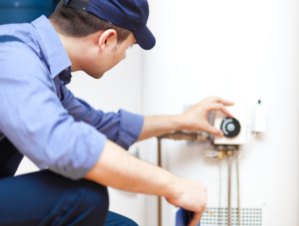
In the diverse climates across the United States, a functioning HVAC system is the most critical component of property habitability. Whether it’s the sub-zero winters of the North or the extreme summer heat in the Sun Belt, temperature control is not just a comfort issue—it is a legal and structural necessity.
While specific laws vary by state and city, the Implied Warranty of Habitability is a nearly universal legal standard in the U.S. It requires landlords to provide a safe, livable environment, which almost always includes a reliable heating source.
1. Winter: The “Safe Temperature” Standard
Most U.S. jurisdictions require landlords to provide a heating source capable of maintaining a safe indoor temperature during “Heat Season”—typically defined as October through May.
-
The 68°F Benchmark: A common requirement in many professional leases and municipal codes (such as those in New York City or Chicago) is that the heating system must be able to maintain at least 68°F during the day when outdoor temperatures drop below a certain threshold.
-
Essential Services: Under the Uniform Residential Landlord and Tenant Act (URLTA), adopted by many states, heat is considered an “essential service.” If the heat fails, it is often classified as an emergency that requires a response within 24 to 48 hours.
-
Emergency Measures: If a furnace fails during a deep freeze, landlords are expected to act immediately. Providing safe, temporary heating (like electric oil-filled radiators) is a common interim solution while awaiting parts or technicians.
2. Maintaining HVAC Systems: The Landlord’s Duty
The HVAC system is a major capital asset. Regular professional maintenance is typically the landlord’s responsibility and the best way to avoid expensive emergency repairs.
-
Air Conditioning—Amenity or Necessity? Unlike heat, air conditioning is not federally mandated and is considered an “amenity” in many states. However, in states like Arizona or Texas, or in cities like Dallas, cooling is often legally classified as an essential service. Generally, if an AC unit is provided at the start of the lease, the landlord is obligated to maintain it in working order.
-
Seasonal Tune-Ups: A best practice for U.S. property managers is the “Bi-Annual Check.” Having a technician service the AC in the spring and the furnace in the fall prevents mid-season failures.
-
Repair and Deduct: In many states, if a landlord fails to fix a habitability-threatening heating issue after receiving written notice, tenants may have the legal right to pay for the repair themselves and deduct the cost from their rent. (Note: Tenants should always verify state-specific statutes before doing this to avoid eviction.)
3. Tenant Responsibilities: Filters and Thermostats
While the landlord owns the hardware, the tenant is the “operator.” A well-written lease defines the tenant’s role in maintaining system efficiency.
-
The Air Filter Clause: Most U.S. leases require tenants to change HVAC filters regularly (every 30 to 90 days). Clogged filters are the leading cause of “frozen” AC coils and furnace overheating.
-
Tip: Landlords can use filter delivery services to ensure the right size arrives at the tenant’s door on schedule.
-
-
Thermostat Management: Tenants are responsible for using the system reasonably. This includes not setting the AC to 60°F during a heatwave (which can damage the unit) and maintaining a minimum heat (usually 55°F) during vacations to prevent pipes from freezing and bursting.
-
Reporting Malfunctions: Tenants have a duty to report unusual noises, smells, or performance drops immediately. Neglecting to report a small leak that eventually leads to a system failure can sometimes result in the tenant being held liable for a portion of the repair.
HVAC Responsibility Matrix: Standard U.S. Practice
| Task | Responsible Party | Frequency |
| Major Repairs / Replacement | Landlord | As Needed |
| Professional Seasonal Tune-Up | Landlord | Twice Yearly |
| Filter Replacement | Tenant | Every 1–3 Months |
| Thermostat Batteries | Tenant | Annually |
| Clearance around Outdoor Unit | Tenant | Monthly (Seasonal) |
Conclusion: Proactive Protection
Heating and cooling disputes are among the most common reasons for tenant turnover and legal friction. By clearly defining who handles the “small stuff” (filters and batteries) and committing to professional “big stuff” (annual tune-ups), you protect your investment and ensure your tenants stay safe and comfortable regardless of the weather.
property management
rental property
landlord tips
tenant tips
apartment living
rental maintenance
real estate advice
rental housing
Emily Shortall
Emily Goodman Shortall