

Build-to-Rent Communities in 20206: Why Suburban Rental Housing is Booming
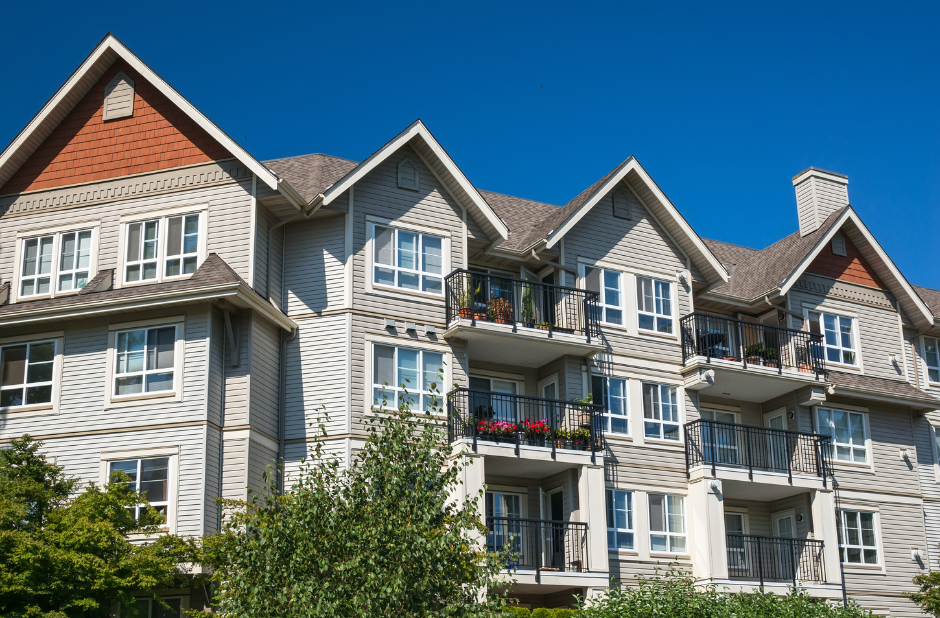
Build-to-Rent Communities in 2026: Why Suburban Rental Housing Is Booming
A major shift is happening in the rental housing market — and it’s not in downtown high-rises.
In 2026, Build-to-Rent (BTR) communities are expanding rapidly across suburban markets. These purpose-built neighborhoods of single-family homes are designed specifically for long-term rental, not for sale. Backed by institutional investors and operated by professional property management companies, BTR is reshaping how families, landlords, and investors think about rental housing.
For landlords and investors, it represents a growing asset class.
For tenants, it offers the space and privacy of a house without the financial burden of ownership.
Here’s a deep look at why Build-to-Rent is gaining momentum — and what it means for the future of housing.
What Is Build-to-Rent?
Build-to-Rent communities consist of newly constructed single-family homes or townhomes built specifically as rental properties within a professionally managed community.
Unlike scattered-site rentals, BTR developments typically include:
-
Detached or semi-detached homes
-
Private yards or patios
-
Attached garages
-
Community amenities (pools, parks, dog parks, fitness centers)
-
On-site or centralized management
-
Uniform design and maintenance standards
These communities combine the feel of suburban homeownership with the operational structure of multifamily property management.
Why Build-to-Rent Is Growing
Several powerful market forces are fueling BTR expansion.
1. Homeownership Affordability Challenges
Rising home prices and elevated mortgage rates have made buying a home less attainable for many households.
Prospective buyers are facing:
-
Higher down payment requirements
-
Stricter lending standards
-
Increased insurance and property tax costs
-
Limited inventory in entry-level housing
Many families who would traditionally buy are instead choosing to rent longer — but they still want the space and lifestyle of a house.
BTR fills that gap.
2. Demand for Space and Flexibility
Post-pandemic lifestyle shifts continue to influence housing choices.
Renters increasingly value:
-
Extra bedrooms for home offices
-
Outdoor space
-
Garages and storage
-
Quiet residential neighborhoods
-
Proximity to schools
Traditional apartments often can’t meet these needs.
Build-to-Rent communities provide suburban space without the long-term commitment of ownership.
3. Institutional Investment Interest
Large investors are allocating capital to single-family rental portfolios and BTR developments because they offer:
-
Diversified income streams
-
Long-term rental demand
-
Stable occupancy rates
-
Lower turnover compared to apartments
-
Resilient performance during economic shifts
Unlike older scattered-site single-family rentals, BTR communities allow centralized management and operational efficiency.
How BTR Differs From Traditional Single-Family Rentals
While both involve renting houses, there are key differences.
Traditional Scattered-Site Rentals:
-
Homes purchased individually
-
Varying property conditions
-
Often managed remotely
-
Inconsistent layouts and maintenance
Build-to-Rent Communities:
-
Newly constructed homes
-
Standardized layouts
-
Professional management
-
Integrated community amenities
-
Centralized maintenance teams
From an operational standpoint, BTR resembles multifamily management more than small landlord ownership.
Benefits for Tenants
Build-to-Rent communities offer unique advantages.
1. More Space Without Ownership Risk
Tenants enjoy:
-
Larger floor plans
-
Private yards
-
Multiple bathrooms
-
Garage parking
But without:
-
Down payments
-
Maintenance responsibility
-
Property tax exposure
-
Market risk
It’s lifestyle flexibility without financial lock-in.
2. Professional Maintenance
Unlike renting from an individual homeowner, BTR tenants typically have access to:
-
On-site maintenance teams
-
Digital maintenance portals
-
Faster response times
-
Consistent service standards
This blends single-family living with apartment-style convenience.
3. Community Amenities
Many BTR developments include:
-
Clubhouses
-
Fitness centers
-
Pools
-
Playgrounds
-
Walking trails
-
Pet-friendly facilities
These features rival luxury multifamily offerings.
4. Longer Lease Stability
Families often stay longer in single-family rentals than in apartments.
This creates:
-
Neighborhood stability
-
Stronger community feel
-
School continuity for children
Considerations for Tenants
While appealing, BTR isn’t always cheaper.
1. Higher Monthly Rent Than Apartments
Single-family rentals often command premium pricing compared to similarly sized apartments.
Tenants pay for:
-
Privacy
-
Outdoor space
-
Garage access
-
Lower density living
2. HOA-Like Community Rules
Some BTR communities have design standards and property use rules similar to homeowner associations.
Tenants should review:
-
Landscaping responsibilities
-
Parking restrictions
-
Pet policies
-
Exterior modification limitations
3. Utility Costs
Larger homes typically mean higher utility expenses.
Tenants should factor in:
-
Heating and cooling costs
-
Lawn care (if tenant responsibility)
-
Water usage
Benefits for Landlords and Investors
For owners and operators, BTR presents strategic advantages.
1. Lower Turnover Rates
Families renting homes often stay longer than apartment renters.
Lower turnover reduces:
-
Marketing costs
-
Vacancy loss
-
Unit prep expenses
-
Leasing commissions
2. Stronger Tenant Profiles
Many BTR tenants are:
-
Dual-income households
-
Families with stable employment
-
Relocating professionals
-
Individuals transitioning toward homeownership
This can reduce payment volatility.
3. Operational Efficiency
Centralized communities allow:
-
Streamlined maintenance
-
Shared vendor contracts
-
Economies of scale
-
Uniform property standards
This is far more efficient than managing scattered individual homes.
4. Attractive Institutional Returns
BTR properties often offer:
-
Predictable cash flow
-
Long-term appreciation potential
-
Diversification from traditional multifamily assets
Institutional capital continues to expand in this sector.
Challenges for Investors
Despite strong demand, BTR is not without risk.
1. High Development Costs
Land acquisition, construction, and infrastructure costs are significant.
Projects require:
-
Careful site selection
-
Strong local demand
-
Capital-intensive planning
2. Zoning and Regulatory Hurdles
Some municipalities resist large-scale rental communities, preferring homeownership development.
Zoning approvals can be complex.
3. Market Sensitivity
If mortgage rates drop significantly, some renters may transition to homeownership, impacting demand.
However, long-term demographic trends suggest sustained rental interest.
How BTR Is Impacting the Broader Housing Market
Build-to-Rent influences housing supply dynamics in several ways:
-
Adds new rental inventory without converting existing homes.
-
Provides suburban rental options without increasing urban density.
-
Offers alternatives for households delaying homeownership.
-
Competes with entry-level housing supply in some markets.
Critics argue that investor-built rental homes may reduce opportunities for individual buyers.
Supporters argue that BTR increases housing availability overall.
The debate continues — but the growth trend is undeniable.
Long-Term Outlook
Build-to-Rent appears poised for continued expansion in:
-
Sunbelt states
-
High-growth suburban markets
-
Regions with strong job growth
-
Areas with limited affordable homeownership inventory
As affordability challenges persist, the flexibility of renting a home — rather than buying one — may remain attractive for many households.
What Landlords Should Consider
If you’re a small landlord or investor:
-
Study local BTR competition.
-
Evaluate whether suburban rentals in your area face new pressure.
-
Consider portfolio diversification.
-
Focus on tenant retention strategies.
Institutional competition may raise expectations for maintenance and service quality.
What Tenants Should Consider
If you’re evaluating a Build-to-Rent home:
-
Compare total housing costs to ownership.
-
Understand lease terms carefully.
-
Review community rules.
-
Evaluate long-term stability.
BTR offers lifestyle benefits — but it’s still a rental commitment.
Final Thoughts
Build-to-Rent communities represent one of the most significant structural shifts in rental housing today.
They blend:
-
The space of single-family homes
-
The flexibility of renting
-
The professionalism of multifamily management
For landlords and investors, BTR offers operational efficiency and strong demand potential.
For tenants, it delivers suburban living without mortgage risk.
As housing markets continue evolving in 2026, Build-to-Rent is no longer a niche concept — it’s a growing pillar of the modern rental landscape.
#propertymanagement #rentalproperty #landlordtips #apartmentliving #tenanttips #rentalmaintenance #realestateadvice #rentalhousing #EmilyShortall #EmilyGoodmanShortall