

Understanding Rental Market Dynamics & Affordability in 2026
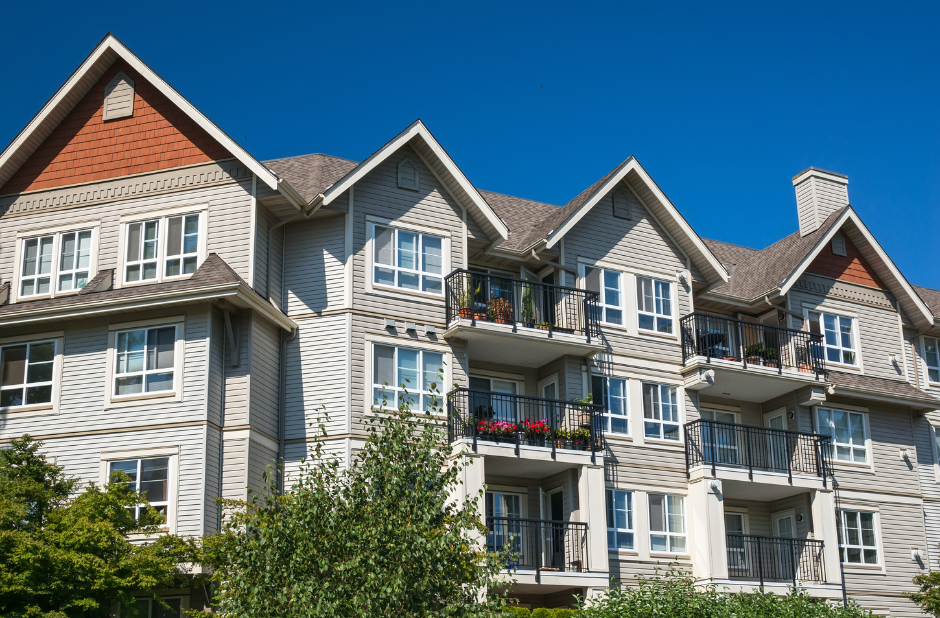
Understanding Rental Market Dynamics & Affordability in 2026
What landlords and tenants need to know right now
The U.S. rental market has shifted dramatically in recent years, and 2026 is shaping up to be a year where the long-anticipated stabilization — and in some cases relief — is becoming real. After a post-pandemic surge in rents that pushed affordability to historic lows, the balance of power between landlords and tenants is evolving in ways that influence pricing, leasing strategies, property investments, and household decisions.
In this deep dive, we’ll break down the key dynamics of today’s rental market and explain what they mean for landlords and tenants alike.
1. A Changing Landscape: Why Rents Are No Longer Soaring
For the better part of the last decade, especially coming out of the pandemic, rents in the United States climbed at record-breaking rates. But that era appears to be waning.
Recent data shows rental growth has slowed significantly. National rent increases are now modest, and in many cases rents have actually declined year-over-year. Some reports show that asking rents dropped by about 1.5% or more in early 2026 compared with the prior year in many of the largest U.S. metro areas. In total, this marks one of the longest streaks of year-over-year rent declines in recent history — nearly 30 consecutive months according to rental market trackers.
Moreover, a widely-cited forecast from Zillow reports that the typical asking rent in January 2026 was roughly $1,895 — up just about 2% from a year earlier — the slowest year-over-year growth since 2020.
What’s driving this shift?
Several forces converge:
-
Increased Supply: A wave of new rental construction, especially multifamily units, continues to enter the market. This expanded supply gives renters more choices and takes pressure off rental price growth.
-
Higher Vacancies: Vacancy rates have climbed across many metropolitan areas, reducing the leverage landlords traditionally hold when demand outstrips supply.
-
Economic Conditions: A softer labor market and broader economic shifts have tempered mobility and demand — fewer people are moving into new units at a frenzied pace.
These conditions have combined to create a rental environment where aggressive rent increases are no longer the default.
2. Affordability Relief (Finally)
For the first time in years, renters are gaining some financial breathing room.
Renter Costs as a Share of Income are Improving
A key measure of housing affordability is how much of their income renters spend on rent. Historically, housing economists consider spending more than 30% of income on rent to be burdensome.
Zillow’s latest data shows that U.S. households now spend about 26.4% of their income on rent — the lowest share seen since 2021.
This improvement matters. It means many households are now closer to the historical norm of affordability, even as housing costs remain above longer-term averages.
Rent Growth is Slowing Across the Board
Even though rents remain higher than they were before the pandemic, the pace of growth has slowed drastically:
-
Single-family rents are forecast to rise only modestly in 2026.
-
Multifamily rents (apartment prices) are expected to remain flat or even decline slightly for the year.
This flattening — or slight cooling — of rent growth is helping affordability improve even as incomes continue to grow in many regions.
3. Power Shifts: Tenants Gain Negotiating Strength
As the rental market cools, tenants increasingly have leverage:
Vacancies Boost Tenant Options
With vacancy rates elevated (in some reports above 7% nationally), tenants have more choice. In many metros, this has shifted markets toward “rent-friendly” or balanced conditions rather than ones that heavily favored landlords.
Increased Concessions
Landlords are offering more concessions than in recent years — such as:
-
One or more months of free rent
-
Reduced security deposits
-
Flexible move-in dates
These incentives are not just perks; they are strategic tools to attract renters in a more competitive market. Elevated concession levels, near record highs, suggest renters have significant negotiating power.
Negotiating Renewals vs. New Leases
Landlords are discovering that retaining existing tenants with modest rent increases might be more cost-effective than aggressively raising rents on new leases, especially when turnover expenses can be significant.
4. Regional Variations: Not All Markets Are the Same
While the national picture shows stabilization, local markets can behave very differently:
More Affordable and Balanced Markets
Many mid-sized cities, especially in the Midwest or Sun Belt, have seen rents soften significantly and vacancy rates rise. These markets often favor renters more strongly.
Strong, Tight Markets
In cities with restrictive housing supply and strong local economies — like New York or Boston — rents are still growing and vacancies are lower. In these areas, landlords may still hold pricing power.
Unexpected Shifts
Some markets that were previously landlord-heavy are now more balanced due to an influx of new housing or changing migration patterns. Landlords and investors should analyze their specific area’s supply, demand, and vacancy data rather than relying on national trends alone.
5. What This Means for Landlords
If you own or manage rental properties, understanding these dynamics can help you make smarter decisions.
Pricing With Market Data — Not Gut Feelings
Instead of automatically raising rents every year, consider:
-
Localized rental indices
-
Vacancy trends for your unit type
-
Concession levels offered by nearby competitors
Pricing too high in a cooling market can leave units vacant longer — which ultimately costs more than small rent reductions.
Improving Tenant Retention
Longer lease terms and reasonable renewal increases often beat constantly chasing new tenants — especially when concessions are commonplace.
Marketing Is More Important Than Ever
In a tenant-favored market, effective advertising and highlighting your property’s best features can make a big difference in attracting quality renters quickly.
Stay Informed on Supply Changes
New development pipelines — especially large multifamily projects — can radically alter local rental conditions. Landlords should monitor building permits and planned projects.
6. What This Means for Tenants
For renters, the 2026 landscape has silver linings:
More Choices
Elevated vacancies mean more available units at competitive prices in many markets.
Stronger Negotiating Position
Renters now have leverage to negotiate lower rent, concessions, or more flexible lease terms. If you’re signing or renewing a lease this year, it’s worth discussing incentives.
Affordability Relief
With rent growth slowing and incomes rising faster in many cities, renters may find they are spending a smaller share of income on rent than in recent years, improving financial stability.
7. The Road Ahead: Is This Market Temporary?
Experts suggest that the current balance between supply and demand may persist through 2026, but several forces will influence the future:
-
Construction Activity: If new housing starts slow down significantly, vacancy rates could tighten and rents could resume stronger growth.
-
Local Economies: Job growth and migration patterns will continue to shape individual markets in unique ways.
-
Interest Rates & Inflation: Broader financial conditions may also influence rental demand, especially if homeownership becomes more or less affordable relative to renting.
Ultimately, both landlords and tenants benefit from understanding not just where rents are today, but where they’re heading and why.
Final Thoughts
Today’s rental market is markedly different from the rapid escalation of rents seen earlier in the decade. As affordability improves slowly and vacancies rise, tenants hold more negotiating power and landlords must adopt smarter, data-informed strategies to fill units and retain quality renters.
Whether you’re managing one property or a portfolio, keeping a close eye on market trends and local data — and responding thoughtfully — will be the key to success in 2026 and beyond.
#propertymanagement #rentalproperty #landlordtips #tenanttips #apartmentliving #rentalmaintenance #realestateadvice #rentalhousing #EmilyShortall #EmilyGoodmanShortall