

The Future of Living: Unlocking the Power of Smart Homes & IoT Integration for Properties
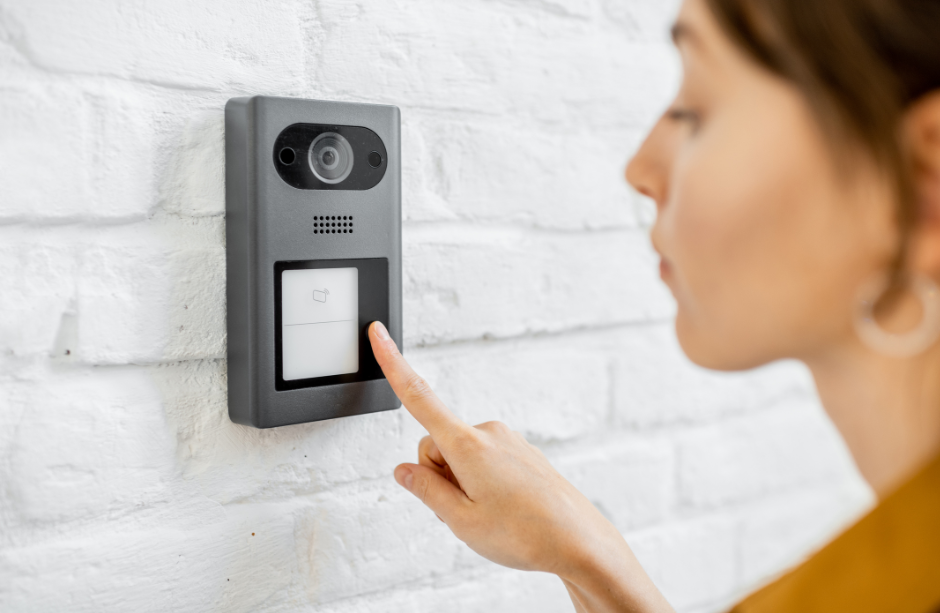
Imagine a home that learns your routine, adjusts to your preferences, and anticipates your needs. This is no longer the stuff of science fiction; it’s the reality of the smart home revolution. The Internet of Things (IoT) has woven its way into the very fabric of our lives, transforming our living spaces into intelligent ecosystems that enhance our comfort, security, and well-being.
As properties evolve to incorporate these technologies, understanding the potential and pitfalls of smart home and IoT integration is crucial for homeowners and property developers alike. This blog post will delve into the various aspects of this exciting field, exploring the benefits, challenges, and future trends that are shaping the way we live and interact with our homes.
The Rise of the Smart Home
The concept of a connected home has been around for decades, but it’s only in recent years that technological advancements and increased affordability have made it a mainstream reality. The proliferation of affordable sensors, high-speed internet, and powerful mobile devices has paved the way for a plethora of smart home devices, from intelligent thermostats and security systems to connected appliances and lighting solutions.
One of the driving forces behind this growth is the desire for convenience and efficiency. Smart home devices automate routine tasks, such as adjusting the thermostat or turning off lights, freeing up time for more meaningful activities. Additionally, these devices offer personalized experiences, learning user preferences and creating tailored environments that enhance comfort and well-being.
Benefits of Smart Home & IoT Integration
The integration of smart home and IoT technologies into properties offers a range of benefits for both homeowners and occupants. Let’s explore some of the key advantages:
Enhanced Security and Safety
Smart home security systems offer a comprehensive layer of protection, with features like remote monitoring, motion detection, and real-time alerts. From connected cameras that provide live video feeds to smart locks that can be controlled remotely, these systems provide peace of mind and enhance the overall safety of the property.
IoT sensors can also play a vital role in fire and leak detection, alerting homeowners to potential hazards before they escalate into major incidents. For example, connected smoke detectors can send notifications to users’ smartphones, while water leak sensors can automatically shut off the water supply to prevent extensive damage.
Improved Energy Efficiency
Smart thermostats are perhaps the most popular energy-saving devices, allowing users to remotely control heating and cooling systems and create personalized schedules. These devices can also analyze energy usage patterns and provide insights into ways to optimize consumption, leading to significant savings on utility bills.
In addition to thermostats, other smart home devices, such as connected lighting and smart plugs, can contribute to energy efficiency. Lighting systems can be automated to turn off when a room is unoccupied, and smart plugs can eliminate vampire power draw from devices that are not in use.
Greater Convenience and Comfort
Smart home devices offer unprecedented convenience, allowing users to control various aspects of their homes with just a few taps on their smartphones or via voice commands. From adjusting lighting and temperature to playing music and setting reminders, these devices streamline daily routines and enhance the overall quality of life.
Furthermore, personalized experiences are a key aspect of smart home technology. Devices can learn user preferences and create customized scenarios, such as a “movie night” setting that dims lights, closes blinds, and turns on the TV.
Increased Property Value and Appeal
For property developers and homeowners, integrating smart home technologies can enhance the property’s appeal and increase its market value. Buyers and tenants are increasingly looking for homes with modern amenities and connected features, making smart homes a sought-after commodity in the real estate market.
Cost Savings
While the initial investment in smart home devices may seem significant, the long-term cost savings can be substantial. Energy efficiency measures can lead to lower utility bills, while preventative maintenance alerts can help avoid costly repairs. Additionally, insurance companies may offer discounts for homes equipped with certain smart security features.
Challenges and Considerations
While the benefits of smart home and IoT integration are clear, there are also challenges and considerations to keep in mind:
Interoperability Issues
One of the biggest challenges in the smart home industry is the lack of standardized communication protocols. This means that devices from different manufacturers may not always work seamlessly together, creating a fragmented and potentially frustrating user experience. It’s crucial to research and choose devices that are compatible with each other and can be integrated into a unified smart home system.
Privacy and Security Concerns
As more and more devices connect to the internet, concerns about data privacy and security have become paramount. Smart home devices collect a vast amount of data about users’ habits and routines, which, if not properly secured, could be vulnerable to hacking and misuse. It’s essential to choose reputable brands that prioritize security and offer robust data protection features.
Complexity and Ease of Use
For some users, the complexity of setting up and managing smart home systems can be a significant barrier to entry. While many devices are designed to be user-friendly, others require a certain level of technical expertise. Manufacturers and service providers need to address this challenge by creating intuitive interfaces and providing comprehensive support.
Cost and Maintenance
The cost of smart home devices can be a barrier for some homeowners, particularly those on a tight budget. Additionally, ongoing maintenance and software updates may be required, adding to the overall cost of ownership. It’s important to carefully consider the long-term costs of a smart home system before making a purchase.
Future Trends in Smart Home & IoT Integration
The smart home industry is constantly evolving, with new technologies and innovations emerging all the time. Here are some key trends to watch in the coming years:
Artificial Intelligence and Machine Learning
AI and machine learning are playing an increasingly important role in smart home technology. Devices are becoming smarter and more intuitive, capable of anticipating user needs and creating increasingly personalized experiences. From voice assistants that can understand natural language to energy management systems that optimize consumption based on individual usage patterns, the potential of AI in the smart home is vast.
The Internet of Things (IoT)
The IoT will continue to expand, with an increasing number of devices and appliances connecting to the internet. This will lead to more comprehensive and integrated smart home systems, where devices work together seamlessly to create a truly connected living environment.
Smart City Integration
Smart homes will increasingly become integrated into wider smart city initiatives. This will enable functionalities like dynamic energy management, where homes can interact with the grid to optimize energy consumption and reduce waste. Additionally, smart home devices could be used to provide real-time data to city services, such as traffic management and emergency response.
Focus on Health and Well-being
Smart home technology will place a greater emphasis on health and well-being, with devices designed to monitor sleep quality, air quality, and other environmental factors. These devices can provide insights into ways to improve overall health and well-being, leading to a healthier and happier lifestyle.
Conclusion
The future of living is inextricably linked to the continued evolution of smart home and IoT technologies. As properties become increasingly connected, homeowners and developers have an unprecedented opportunity to create intelligent living spaces that enhance security, efficiency, convenience, and comfort. While challenges such as interoperability, privacy, and cost remain, the potential benefits are undeniable. By carefully considering the various aspects of smart home integration, we can unlock the power of these technologies and build a future where our homes not only meet our needs but also enhance our quality of life.
property management
rental property
landlord tips
tenant tips
apartment living
rental maintenance
real estate advice
rental housing
Emily Shortall
Emily Goodman Shortall