

Biophilic Design: The 2026 Strategy for High-Retention, High-Value Rentals
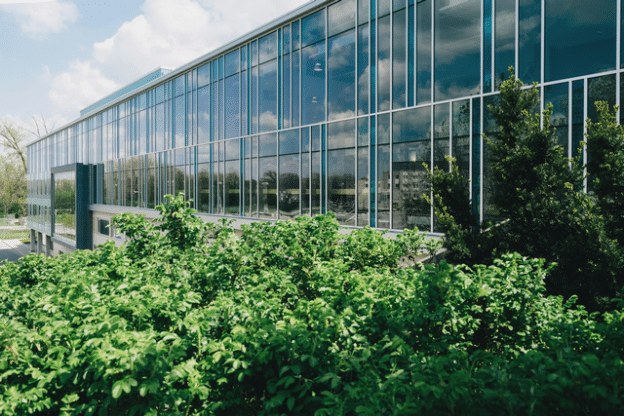
In the competitive rental market of 2026, the definition of “luxury” has shifted. It’s no longer just about stainless steel appliances or smart thermostats; it’s about how a space makes a tenant feel.
Enter Biophilic Design. This architectural and interior design philosophy seeks to connect building occupants more closely to nature. In a world of increasing urbanization and screen time, “bringing the outside in” has become a powerful tool for small landlords to reduce turnover, justify premium rents, and build a brand that stands out in a crowded market.
1. What is Biophilic Design? (Beyond the Houseplant)
Biophilic design is more than just putting a fiddle-leaf fig in the corner of a living room. It is an intentional approach to incorporating natural elements into the built environment to satisfy the innate human need for nature.
In 2026, landlords are focusing on three main pillars:
-
Direct Experience of Nature: Living greenery, water features, and natural airflow.
-
Indirect Experience of Nature: Using natural materials like raw wood, stone, and earth tones, as well as “biomorphic” shapes (curves found in nature rather than harsh industrial lines).
-
Experience of Space and Place: Maximizing “daylighting” (natural light) and creating views that connect the tenant to the local landscape.
2. The ROI of Wellness: Why Nature Pays Off
Investing in greenery might seem like an “extra,” but the data from the mid-2020s shows a clear financial incentive for property owners.
Improved Tenant Satisfaction and Productivity
With remote and hybrid work now the standard in 2026, a tenant’s home is also their office. Research shows that biophilic elements can increase productivity by 8% and well-being by 13%. Tenants who feel energized and healthy in their space are statistically less likely to move, saving landlords thousands in turnover costs (cleaning, marketing, and vacancy loss).
Greater Perceived Value
A unit with “better daylighting” and a view of a communal garden isn’t just a 1-bedroom apartment; it’s a sanctuary.
-
Premium Rents: Properties utilizing biophilic design often command a 5–10% rent premium over “grey-box” industrial units.
-
Faster Leasing: Units featuring natural light and “living walls” tend to lease up to 25% faster because they photograph better and create an immediate emotional connection during tours.
3. Practical Enhancements for Small Landlords
You don’t need a multi-million dollar renovation budget to implement biophilic principles. Here are the “high-impact, low-cost” upgrades gaining traction this year:
Vertical Greenery & Living Walls
If floor space is limited, go vertical. Modular “green wall” systems allow landlords to install self-watering plant arrays in common entryways or on balcony walls. These act as natural air purifiers and acoustic dampeners, reducing hallway noise.
Maximizing Daylighting
-
Solar Tubes: For dark top-floor units or hallways, solar tubes can funnel natural sunlight into windowless spaces without the cost of a full skylight.
-
Reflective Surfaces: Using light-reflecting paint and strategically placed mirrors can “stretch” the reach of a single window, making a small unit feel airy and expansive.
Outdoor Communal “Oases”
In 2026, the “concrete backyard” is a liability. Small landlords are converting unused outdoor spaces into communal “pocket parks.”
-
Pollinator Gardens: Low-maintenance native plants attract butterflies and bees, creating a “living” environment for tenants.
-
Natural Textures: Replacing cracked concrete with permeable pavers or natural stone creates a high-end, organic feel that requires less long-term maintenance than wood decking.
4. Enhanced Property Branding
In the digital age, your property’s brand is its “vibe.” Biophilic design creates a “natural luxury” aesthetic that is incredibly “Instagrammable,” turning your current tenants into your best marketing agents.
When your common areas feature reclaimed wood accents and thriving greenery, your property stops being a “commodity” and starts being a “community.” This distinct visual identity helps small landlords compete with massive corporate complexes by offering a more personalized, human-centric living experience.
Conclusion: The “Green” Bottom Line
Biophilic design is not a trend; it’s a response to how we live today. By prioritizing tenant well-being through natural integration, you aren’t just decorating—you are future-proofing your investment. A healthy tenant is a happy tenant, and a happy tenant is a long-term tenant.
property management
rental property
landlord tips
tenant tips
apartment living
rental maintenance
real estate advice
rental housing
Emily Shortall
Emily Goodman Shortall