

The Missing Middle: Solving the Workforce Housing Crisis in 2026
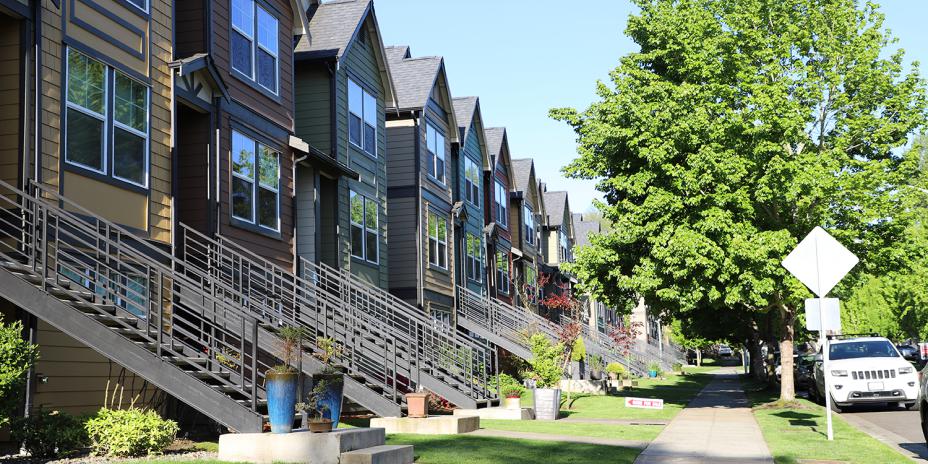
In 2026, the phrase “housing crisis” has evolved. While low-income subsidized housing remains a critical need, a new focal point has emerged: Workforce Housing.
This refers to high-quality, attainable housing for the “missing middle”—the teachers, nurses, police officers, and service workers who earn too much to qualify for traditional low-income subsidies but not enough to afford market-rate luxury rentals in the cities where they work. As urban centers strive for economic resilience, the ability to house essential staff locally has become a top priority for both public officials and private developers.
The Impact on Local Rental Markets
When a city lacks workforce housing, the “ripple effect” creates a fragile local economy.
-
Commuter Burnout: Essential workers are forced into “super-commutes,” leading to high turnover in critical sectors like healthcare and education.
-
Rent Inflation: Without dedicated workforce units, middle-income earners compete for the limited supply of older, “naturally occurring” affordable housing, driving up rents for everyone and displacing lower-income residents.
-
Economic Stability: Markets with robust workforce housing options show greater 2026 resilience. Institutional investors are increasingly pivoting toward this sector as a “defensive play,” recognizing that demand for mid-tier housing remains steady even during economic shifts.
Funding Tools: How the Numbers “Pencil Out”
Developing workforce housing is notoriously difficult because construction costs often exceed what middle-income rents can support. In 2026, several key funding mechanisms are bridging this gap:
1. The Affordable Housing Credit Improvement Act (AHCIA)
Renewed federal efforts have expanded the Low-Income Housing Tax Credit (LIHTC). Specifically, “income averaging” now allows developers to serve residents earning up to 80% of the Area Median Income (AMI), provided the overall project average remains at 60%. This shift has unlocked thousands of units that previously wouldn’t have qualified for credits.
2. Tax-Exempt Essential Function Bonds
Popularized in states like California and Texas, these “Governmental Purpose Bonds” allow a government entity or a Joint Powers Authority (JPA) to acquire a property with no equity contribution. Because the property becomes government-owned, it is exempt from property taxes—a massive operational saving that is passed directly to the tenants in the form of lower rents for those in the 80% to 120% AMI range.
3. Incentive Zoning and Density Bonuses
Cities are increasingly using the “carrot” rather than the “stick.”
-
Density Bonuses: Allowing a developer to build 20% more units than the code allows if a portion is reserved for workforce housing.
-
Reduced Parking Minimums: In 2026, transit-oriented developments are slashing costs by reducing the requirement for expensive underground parking, making the units more affordable by design.
Public-Private Partnerships (P3s) and Nonprofits
The most successful workforce housing projects in 2026 are rarely solo acts. They are the result of deep collaboration:
-
Employer-Assisted Housing: Major employers—including hospitals and universities—are now acting as “co-developers.” By providing the land or low-interest capital, they ensure their own staff have a place to live nearby.
-
Nonprofit Land Trusts: Organizations like LISC and local land trusts are purchasing land to keep it “permanently affordable.” They partner with private developers who handle the construction and management, while the trust ensures the workforce restrictions remain in place for 30 to 99 years.
-
Adaptive Reuse: From converting underutilized 20th-century office buildings to re-envisioning old schoolhouses, public-private partnerships are leading the charge in turning “dead space” into vibrant workforce communities.
Conclusion: A More Inclusive Urban Future
Addressing the housing needs of the essential workforce isn’t just a social goal—it’s an economic imperative. By utilizing modern tax incentives, innovative bonding structures, and creative zoning, cities are finally starting to fill the “missing middle” gap. For developers and investors, workforce housing represents one of the most stable and impactful asset classes of the decade.
property management
rental property
landlord tips
tenant tips
apartment living
rental maintenance
real estate advice
rental housing
Emily Shortall
Emily Goodman Shortall