

Managing Late Rent in 2026: A Guide to Fair Policies and Tenant Retention
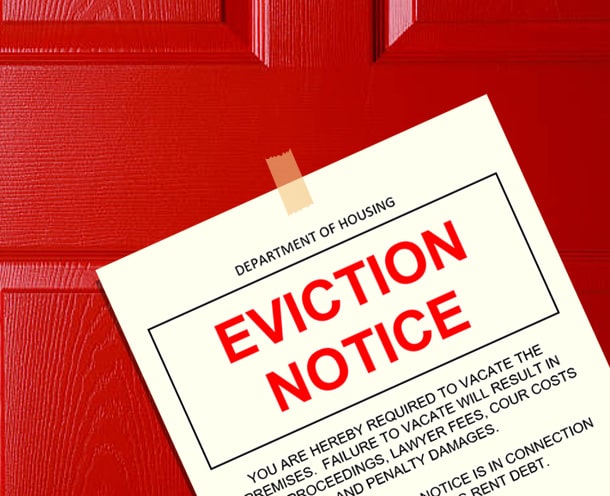
Rent collection is the heartbeat of any property management business, but “Life happens,” and late payments are an inevitable part of the industry. In the 2026 rental market, where economic volatility and shifting regulations are top of mind, having a clear, legally compliant, and firm-yet-fair late rent policy is essential.
A well-crafted policy does more than just ensure you get paid; it sets professional boundaries, protects your cash flow, and—perhaps most importantly—maintains the trust between you and your tenants. This post explores the critical components of modern late rent management, from statutory grace periods to the “human element” of enforcement.
1. Navigating Grace Periods: The Buffer Zone
A grace period is the window of time after the official due date during which a tenant can pay rent without incurring a penalty. While many landlords offer these as a courtesy, in 2026, they are increasingly mandated by state law.
-
Statutory vs. Voluntary: Currently, 13 states mandate a grace period by law. These range from as short as 2 days (Texas) to as long as 9 days (Connecticut). In states without a mandate, like Missouri, the “grace period” is technically zero unless specified in your lease.
-
The “Industry Standard”: Even where not legally required, roughly 73% of landlords voluntarily offer a 3-to-5-day grace period. Data shows that properties with a 5-day buffer experience 28% fewer disputes than those with “zero-tolerance” policies.
-
Calendar vs. Business Days: It is vital to specify if your grace period counts weekends and holidays. Using business days is common in states like New York and New Jersey, whereas most other regions stick to calendar days.
2. Legal Limits: What Is a “Reasonable” Late Fee?
In 2026, many jurisdictions have moved to cap late fees to prevent “predatory” charging. If your late fee is deemed excessive by a court, your entire late fee provision could be thrown out, leaving you with no recourse.
-
Percentage Caps: Most states that set a limit cap fees at 5% to 10% of the monthly rent. For example, North Carolina caps fees at $15 or 5%, while Tennessee allows up to 10%.
-
Flat Fee Limits: Some areas use dollar-amount caps. In Colorado, for instance, the limit is $50 or 5%, whichever is greater.
-
The “Reasonableness” Standard: In states without a hard cap, such as Missouri, fees must still be “reasonable.” A standard benchmark often used by courts is $20 or 20% of the rent, whichever is higher—though charging the full 20% is often seen as a penalty rather than a cost-recovery measure and should be approached with caution.
3. Firm but Fair: Enforcement and Relationships
The goal of a late fee isn’t to generate profit; it’s to encourage on-time behavior. Enforcing these policies while keeping a “good” tenant can be a delicate balancing act.
-
Automated Reminders: 2026 property management software has made this easier than ever. Sending an automated text or email on the 2nd of the month—before the grace period ends—serves as a “nudge” rather than a “shakedown.”
-
The “One-Time Waiver”: For long-term tenants with a perfect payment history, offering a one-time “forgiveness” of a late fee can build immense goodwill. However, always document this as a “one-time courtesy” to ensure you aren’t inadvertently changing the terms of the lease for the future.
-
Transparency and Consistency: The Fair Housing Act requires that you apply your late fee policies consistently across your entire portfolio. Picking and choosing who pays a fee based on personal preference can lead to serious legal liability.
-
Payment Plans: If a tenant is facing a genuine, temporary hardship (such as a medical emergency), offering a structured, written payment plan can be more cost-effective than a vacancy and turnover.
2026 Late Fee Compliance Snapshot
| Jurisdiction | Grace Period (Days) | Maximum Late Fee |
| National Average | 3–5 Days | 5% of Rent |
| Texas | 2 Full Days | 10–12% of Rent |
| New York | 5 Days | $50 or 5% (Lesser of) |
| North Carolina | 5 Days | $15 or 5% (Greater of) |
Conclusion: Systems Over Stress
In the 2026 rental landscape, the most successful landlords are those who replace “chasing rent” with “systems.” By clearly outlining grace periods in the lease, staying within legal fee limits, and using digital tools for consistent enforcement, you remove the emotion from the transaction.
When your policy is clear and applied to everyone equally, it ceases to be a point of conflict and becomes a professional standard that protects both your income and your tenant’s housing stability.
property management
rental property
landlord tips
tenant tips
apartment living
rental maintenance
real estate advice
rental housing
Emily Shortall
Emily Goodman Shortall