

Energy Efficiency Upgrades That Pay for Themselves: A Landlord’s Guide to 2026 ROI
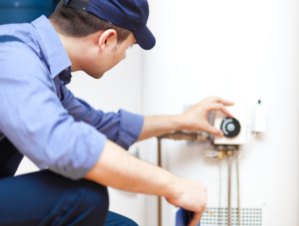
In the 2026 rental market, energy efficiency has shifted from a “nice-to-have” sustainability goal to a primary driver of Net Operating Income (NOI). With utility costs remaining volatile and a new generation of eco-conscious renters prioritizing lower carbon footprints, the financial argument for “greening” your portfolio has never been stronger.
For landlords, the best investments are those that offer a “double win”: reducing immediate operating expenses while simultaneously increasing the long-term market value of the property. Here are the top energy efficiency upgrades that essentially pay for themselves through savings, incentives, and increased rent premiums.
1. LED Lighting: The “Quick Win” for Common Areas
If your apartment hallways, stairwells, or parking garages are still running on older fluorescent or incandescent bulbs, you are essentially burning cash. In multi-unit housing, common area lighting often runs 24/7, making it the lowest-hanging fruit for energy savings.
-
The Math: LEDs use up to 90% less energy than traditional incandescent bulbs and roughly 50% less than fluorescents. For a typical multi-unit building, a full LED retrofit often pays for itself in energy savings in less than 24 months.
-
Reduced Maintenance: Beyond the electricity bill, LEDs last up to 25 times longer. This drastically reduces “truck rolls” and labor costs associated with maintenance staff constantly replacing burnt-out bulbs in hard-to-reach places.
-
Safety and Security: Better lighting quality improves tenant perceived safety in parking lots and entryways, which is a major factor in tenant retention and positive online reviews.
2. Smart Thermostats: Future-Proofing HVAC Efficiency
Heating and cooling represent the largest energy expenditure in any residential property—often accounting for 50–70% of total energy use. Smart thermostats (like Nest, Ecobee, or Honeywell Home) act as the “brain” of the HVAC system, ensuring energy isn’t wasted on an empty unit.
-
Occupancy Sensing: Smart thermostats can detect when a unit is vacant and automatically shift to “eco-mode,” preventing the system from heating or cooling an empty apartment. This is particularly valuable during unit turnovers when a landlord is paying the bill.
-
Tenant Savings and Retention: In units where tenants pay their own utilities, a smart thermostat can save them 10–25% on their monthly bills. In the 2026 market, tenants are willing to pay a $25–$50 monthly rent premium for “smart-enabled” homes, turning a $200 device into a high-yield asset.
-
Preventative Maintenance: Many modern thermostats send alerts for “unusual cycles” or frozen pipes, allowing you to catch a failing HVAC compressor or a heating failure before it leads to an emergency repair or property damage.
3. Weather Stripping and Insulation: The “Invisible” ROI
While not as flashy as a smart gadget, “tightening the envelope” of your building is the most effective long-term strategy for energy management. Air leaks are the silent killers of HVAC efficiency.
-
Draft Proofing: Simply replacing worn weather stripping around unit entry doors and windows can improve energy performance by 8–12%. This is a low-cost DIY task that can be integrated into your annual seasonal maintenance checklist.
-
Attic and Loft Insulation: If your property was built before the 2010s, it is likely under-insulated by 2026 standards. Increasing attic insulation to current recommended depths (typically 300–350mm) can reduce total heating costs by 15% or more.
-
The “Comfort” Factor: Well-insulated buildings are quieter and have fewer “cold spots.” In the 2026 Renter’s Rights landscape, “habitability” includes thermal comfort; proactive insulation prevents tenant complaints and potential legal disputes over inadequate heating.
2026 Investment vs. Payback Comparison
| Upgrade | Estimated Cost | Payback Period | Market Value Add |
| Common Area LED Retrofit | Low-Moderate | 1–2 Years | Higher NOI |
| Smart Thermostats | Low ($150-$300) | 8–12 Months | Rent Premium (~5%) |
| Weather Stripping | Very Low | < 6 Months | Lower Vacancy |
| Attic Insulation | Moderate | 3–5 Years | Long-term Equity |
Conclusion: Capitalizing on 2026 Incentives
The secret to maximizing the ROI of these upgrades in 2026 lies in leveraging external funding. Between the Inflation Reduction Act (IRA) rebates and local utility “Green Home” grants, many landlords are seeing up to 30–50% of their upgrade costs covered by federal or state incentives.
By starting with small, high-impact changes like LED lighting and smart controls, you can fund larger structural improvements over time. In a market where energy efficiency is becoming a standard requirement rather than a luxury, these upgrades don’t just “pay for themselves”—they ensure your property remains a top-tier choice for the modern, cost-conscious renter.
property management
rental property
landlord tips
tenant tips
apartment living
rental maintenance
real estate advice
rental housing
Emily Shortall
Emily Goodman Shortall