

Eviction Moratoria and Tenant Protection Laws: What Landlords and Tenants Need to Understand Today
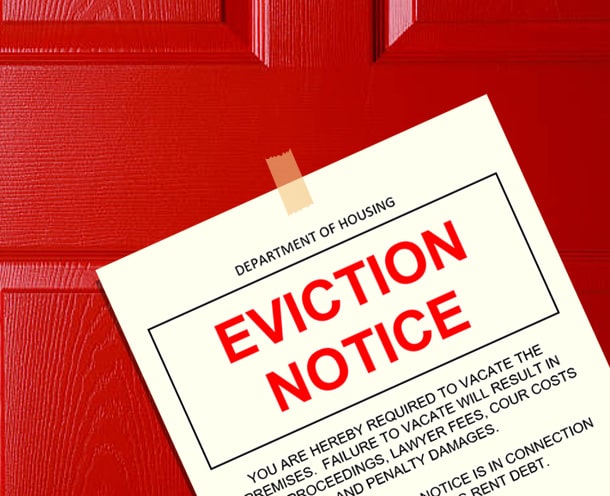 Eviction Moratoria and Tenant Protection Laws: What Landlords and Tenants Need to Understand Today
Evictions have become one of the most misunderstood — and emotionally charged — issues in housing today.
Since the pandemic, eviction rules have changed dramatically. Emergency moratoria came and went, but many of their protections didn’t disappear. Instead, they evolved into permanent tenant protection laws that now govern how, when, and why a landlord can remove a tenant.
For landlords, this has added layers of legal risk and process.
For tenants, it has created protections — but also confusion about what rights actually exist.
This article breaks down where eviction laws stand now, what’s changed, and how landlords and tenants can navigate the system without unnecessary conflict or costly mistakes.
The End of Eviction Moratoria Didn’t Mean “Back to Normal”
Most broad pandemic-era eviction moratoria have expired. However, many people miss the bigger picture:
Temporary moratoria acted as a catalyst for permanent change.
What replaced them includes:
-
Just-cause eviction laws
-
Longer notice requirements
-
Mandatory cure periods
-
Expanded tenant defenses
-
Court-level procedural changes
So while landlords can evict again, they usually can’t evict the way they used to.
What Is a “Just-Cause” Eviction Law?
In many jurisdictions, landlords must now have a legally recognized reason — or just cause — to evict a tenant.
Common just-cause categories include:
“At-Fault” Evictions
These occur when a tenant violates the lease, such as:
-
Nonpayment of rent
-
Repeated late payments
-
Unauthorized occupants
-
Lease violations
-
Nuisance behavior
In most cases, landlords must:
-
Provide written notice
-
Give the tenant time to fix the issue (“cure period”)
-
Prove the violation in court if challenged
“No-Fault” Evictions
These happen even when the tenant has done nothing wrong, such as:
-
Owner move-in
-
Sale of the property
-
Major renovations
-
Removal of unit from the rental market
Many jurisdictions require:
-
Extended notice periods
-
Relocation assistance payments
-
Specific documentation or affidavits
This is one of the biggest shifts from pre-pandemic norms.
Nonpayment of Rent: More Process, More Proof
Even though rent is owed, eviction for nonpayment now often involves additional steps.
What Landlords Must Typically Do
-
Provide a formal pay-or-quit notice
-
Clearly state the amount owed
-
Allow statutory cure periods (often longer than before)
-
Accept partial payments if required by law
-
Document all communications
What Tenants Should Know
-
Nonpayment doesn’t always equal immediate eviction
-
Many jurisdictions require landlords to offer repayment plans
-
Rental assistance programs may still be available
-
Courts often favor tenants who show good-faith effort
Eviction for nonpayment has become less about speed and more about documentation and fairness.
Notice Requirements Have Expanded — Significantly
One of the most common eviction mistakes landlords make today is using outdated notice timelines.
Depending on location and tenant tenure:
-
30-day notices may no longer be valid
-
60-, 90-, or even 180-day notices may be required
-
Notices may need specific language or formatting
An invalid notice can reset the entire eviction process, costing landlords months.
Tenants, meanwhile, should always verify whether a notice:
-
Meets local timing rules
-
States a legally recognized cause
-
Includes required disclosures
Court Procedures Are Different Now
Even where evictions are permitted, courts have changed how cases move forward.
Common Post-Pandemic Court Changes
-
Mandatory mediation before hearings
-
Increased tenant defenses
-
Heavier documentation requirements
-
Slower processing times
-
Greater judicial discretion
For landlords, this means:
-
Strong cases still win — but sloppy ones lose
-
Professional legal guidance matters more
-
Emotional decisions often backfire
For tenants, it means:
-
Courts expect participation
-
Ignoring notices is riskier than responding
-
Early engagement improves outcomes
Retaliation and Discrimination Protections
Tenant protection laws have expanded in two key areas:
1. Anti-Retaliation Laws
Landlords generally cannot evict or penalize tenants for:
-
Reporting habitability issues
-
Joining tenant organizations
-
Exercising legal rights
-
Requesting reasonable accommodations
Even lawful evictions can be invalidated if deemed retaliatory.
2. Fair Housing Enforcement
Evictions tied — even indirectly — to protected characteristics can trigger serious penalties.
This includes discrimination based on:
-
Race, religion, or national origin
-
Disability or family status
-
Source of income (in many jurisdictions)
Intent doesn’t always matter — impact does.
What This Means for Landlords
Eviction is no longer just a business decision — it’s a legal process with real risk.
Best Practices for Landlords
-
Treat eviction as a last resort, not a default response
-
Document everything from day one
-
Use updated, jurisdiction-specific notices
-
Communicate clearly and professionally
-
Explore payment plans or mediation early
Landlords who act calmly and strategically often resolve issues without ever reaching court.
What This Means for Tenants
Tenant protections are stronger — but they require engagement.
Smart Moves for Tenants
-
Open and read every notice
-
Respond in writing when possible
-
Keep records of rent payments and repairs
-
Seek legal aid or tenant clinics early
-
Show good-faith effort to resolve issues
Courts are more sympathetic to tenants who participate rather than disappear.
The Cost of Getting It Wrong
Eviction mistakes are expensive for everyone.
For Landlords:
-
Months of lost rent
-
Legal fees
-
Court delays
-
Regulatory fines
-
Property damage from prolonged disputes
For Tenants:
-
Eviction records affecting future housing
-
Legal judgments
-
Relocation stress
-
Loss of stability
In many cases, negotiated resolutions cost less than litigation.
The Bigger Shift: Evictions as a System, Not a Shortcut
The modern eviction landscape reflects a broader shift in housing policy:
-
Stability over speed
-
Process over power
-
Prevention over punishment
That doesn’t mean landlords must absorb losses indefinitely — or that tenants can ignore obligations. It means both sides are expected to act responsibly, transparently, and within defined rules.
Final Thoughts
Eviction laws today are more complex than ever — but complexity doesn’t have to mean chaos.
Landlords who understand the rules, plan ahead, and communicate early are far more likely to protect their investment.
Tenants who know their rights, engage proactively, and document everything are far more likely to protect their home.
In today’s housing environment, knowledge isn’t just power — it’s protection.
#propertymanagement #rentalproperty #landlordtips #tenanttips #apartmentliving #rentalmaintenance #realestateadvice #rentalhousing #EmilyShortall #EmilyGoodmanShortall