

Eviction Process Changes and Court Backlogs in 2026: What Landlords and Tenants Need to Know
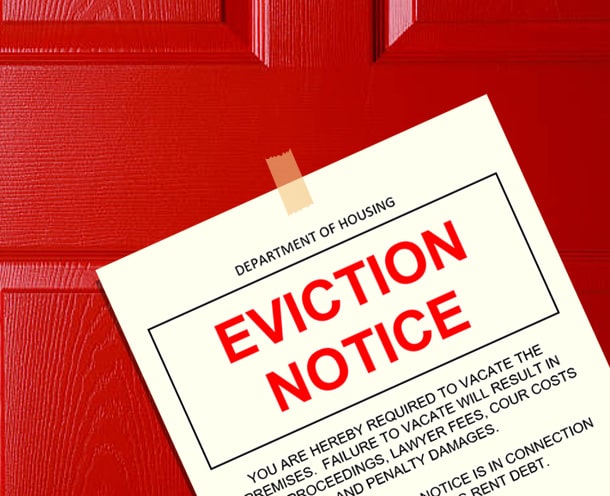
Eviction Process Changes and Court Backlogs in 2026: What Landlords and Tenants Need to Know
The eviction process has changed significantly over the past few years — and in 2026, it continues to evolve.
Between updated tenant protection laws, mandatory mediation programs, extended notice periods, and ongoing court backlogs in some jurisdictions, eviction is no longer a fast or simple process in many markets.
For landlords, this means stricter compliance requirements and longer timelines.
For tenants, it means expanded protections — but also increased responsibility to understand their rights and obligations.
Here’s a comprehensive breakdown of what’s happening and how both sides can navigate the modern eviction landscape.
Why Eviction Laws Are Changing
Eviction reform has been driven by several major factors:
-
Housing affordability concerns
-
Pandemic-era policy shifts
-
Political pressure for tenant protections
-
Court system overload
-
Rising legal scrutiny around housing stability
Many temporary protections introduced during the pandemic led to permanent procedural reforms in certain states and cities.
As a result, eviction processes now vary more dramatically from one jurisdiction to another than ever before.
Key Changes in Eviction Procedures
While laws differ by location, several trends are emerging nationwide.
1. Mandatory “Just Cause” Eviction Rules
In many areas, landlords can no longer terminate a tenancy without a legally defined reason.
Common “just cause” grounds include:
-
Nonpayment of rent
-
Lease violations
-
Owner move-in
-
Substantial renovations
-
Property withdrawal from rental market
For tenants, this provides protection against arbitrary displacement.
For landlords, it increases documentation requirements and legal complexity.
2. Extended Notice Periods
Notice requirements have lengthened in some jurisdictions.
Instead of a short pay-or-quit period, landlords may now need to provide:
-
7, 10, or 14-day notices for nonpayment
-
30–90 days for certain lease terminations
-
Additional time for elderly or disabled tenants
Errors in notice formatting or timing can invalidate the eviction filing entirely.
Precision matters.
3. Mandatory Mediation Before Court Filing
Some cities now require landlords and tenants to participate in mediation before formal eviction proceedings begin.
Mediation programs aim to:
-
Encourage payment plans
-
Reduce court congestion
-
Preserve tenancies when possible
For landlords, mediation may delay removal but can sometimes result in structured repayment agreements.
For tenants, it provides an opportunity to negotiate without immediate court action.
4. Court Backlogs and Delays
In certain jurisdictions, housing courts remain backlogged.
Consequences include:
-
Longer time between filing and hearing
-
Delayed enforcement of judgments
-
Increased holding costs for landlords
-
Extended housing stability for tenants
Landlords must factor these delays into financial planning.
Tenants should not assume delay equals dismissal — cases still proceed, just more slowly.
Financial Impact on Landlords
Eviction delays can significantly affect rental property performance.
1. Lost Rent
Extended timelines increase nonpayment exposure.
If eviction takes several months, landlords may face:
-
Lost rental income
-
Legal fees
-
Court filing costs
-
Additional maintenance expenses
Small landlords with limited reserves are particularly vulnerable.
2. Increased Legal Costs
With more procedural complexity comes greater reliance on attorneys.
Mistakes in:
-
Notice wording
-
Filing deadlines
-
Documentation
-
Service procedures
Can lead to case dismissal and restart — compounding delays.
3. Screening Standards Are Tightening
In response to eviction difficulty, many landlords are:
-
Increasing income requirements
-
Strengthening employment verification
-
Reviewing rental history more closely
-
Requiring stronger credit profiles
While understandable from a risk standpoint, this may also reduce access for marginal applicants.
Financial Impact on Tenants
Eviction protections offer breathing room — but not immunity.
1. Rent Still Accrues
Even if timelines are extended, unpaid rent typically continues to accumulate.
Tenants may leave an eviction with:
-
A judgment for unpaid rent
-
Legal fees
-
Credit damage
Delays are not forgiveness.
2. Evictions Affect Future Housing
An eviction filing — even if resolved — can impact future rental applications.
Many landlords review:
-
Court records
-
Prior judgments
-
Payment history
Tenants should aim to resolve disputes before formal filing when possible.
The Importance of Documentation
In 2026, documentation is everything.
For Landlords:
-
Maintain accurate payment ledgers
-
Keep written communication records
-
Serve notices correctly and on time
-
Document lease violations with evidence
-
Follow fair housing laws consistently
Procedural errors can cost months.
For Tenants:
-
Keep copies of payment confirmations
-
Save written communication
-
Respond promptly to notices
-
Attend mediation or court hearings
-
Seek legal advice early if needed
Ignoring notices worsens outcomes.
Mediation: Opportunity or Obstacle?
Mediation programs are becoming standard in some areas.
Advantages:
-
Potential payment plans
-
Avoiding court records
-
Preserving tenancy
-
Reducing legal fees
Challenges:
-
May delay inevitable outcomes
-
Not all tenants can catch up on arrears
-
Landlords may feel pressured into unfavorable terms
Success depends on good-faith negotiation from both sides.
Cash for Keys: A Practical Strategy
In difficult cases, some landlords use voluntary move-out agreements, sometimes called “cash for keys.”
This involves offering financial assistance in exchange for:
-
A set move-out date
-
Property left in good condition
-
Avoidance of formal eviction
Though counterintuitive, this can sometimes be cheaper and faster than court.
However, agreements should be documented carefully.
Technology’s Role in Modern Evictions
Digital systems now assist with:
-
Automated late rent notices
-
Legal-compliant notice templates
-
Payment tracking
-
Document storage
-
Timeline alerts
For landlords, automation reduces error risk.
For tenants, online portals improve communication and payment tracking.
What Landlords Should Do Now
-
Understand local eviction law thoroughly.
-
Budget for longer timelines in high-regulation areas.
-
Strengthen screening procedures while staying compliant.
-
Maintain consistent lease enforcement.
-
Consider mediation proactively.
-
Build larger operating reserves.
Evictions should be treated as a last resort — but when necessary, precision is critical.
What Tenants Should Do Now
-
Communicate early if financial trouble arises.
-
Respond immediately to written notices.
-
Attend mediation sessions.
-
Seek local legal aid resources if needed.
-
Avoid ignoring court summons.
Engagement improves outcomes significantly.
The Bigger Picture: Stability vs. Risk
Eviction reform reflects an attempt to balance:
-
Tenant housing stability
-
Landlord property rights
-
Court system efficiency
-
Economic realities
Too much rigidity can discourage rental investment.
Too little protection can destabilize communities.
In 2026, the system is still recalibrating.
Long-Term Outlook
Expect continued evolution in:
-
Just-cause policies
-
Mediation requirements
-
Eviction record sealing laws
-
Digital filing systems
-
Rental assistance integration
Landlords must stay informed — and tenants must stay proactive.
Housing law is no longer static.
Final Thoughts
Eviction in 2026 is more regulated, more documented, and often more time-consuming than in the past.
For landlords, success depends on preparation, compliance, and financial planning.
For tenants, understanding rights and responsibilities can prevent long-term damage.
The modern eviction process is less about speed — and more about structure.
Both sides benefit from communication, documentation, and early resolution whenever possible.
#propertymanagement #rentalproperty #landlordtips #tenanttips #apartmentliving #rentalmaintenance #realestateadvice #rentalhousing #EmilyShortall #EmilyGoodmanShortall