

Managing Unauthorized Occupants: Protecting Your Property and Lease Integrity
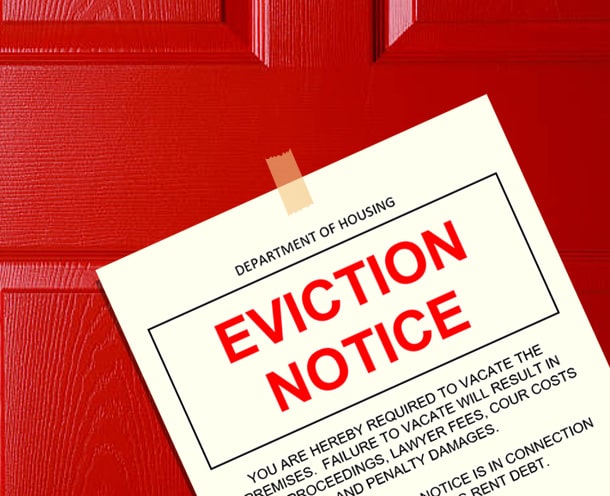
In the 2026 rental market, “unauthorized occupants”—individuals living in a unit who are not listed on the lease—remain a significant source of liability for Missouri landlords. Whether it’s a “long-term guest” who never left or a secret subletter, these occupants haven’t been screened for credit or criminal history, and they aren’t legally bound by your lease rules.
Missouri law is relatively firm on this: under RSMo § 441.030, tenants cannot turn over possession of a unit to others without the landlord’s written consent. Handling this situation requires a balance of firm enforcement and, where appropriate, a path to legalizing the residency.
1. Occupancy Limits: The Legal Framework
Before addressing a violation, you must ensure your lease and local codes support your claim.
-
Federal & State Standards: Generally, HUD guidelines suggest a “two heartbeats per bedroom” rule as a reasonable occupancy limit. However, Missouri landlords can set stricter limits if they are based on physical space and building codes, rather than discriminatory factors (like familial status).
-
The “Guest vs. Tenant” Line: A standard 2026 lease should define exactly when a guest becomes an occupant. A common threshold is 14 consecutive nights or 30 nights in a calendar year.
-
Liability Concerns: Every person over 18 living in the unit should be on the lease. This ensures they are jointly and severally liable for rent and damages. If an unauthorized occupant causes a fire or a flood, your insurance company may deny the claim if the occupancy violated the policy terms.
2. How to Address Violations
If you suspect an unauthorized occupant, follow a structured “Notice and Cure” process to avoid Fair Housing complaints.
-
Step 1: Document the Evidence: Collect “passive” proof before confronting the tenant. This includes consistent sightings of an extra vehicle, reports from maintenance staff, or mail in the lobby addressed to the new person.
-
Step 2: The “Notice to Cure or Quit”: Under Missouri law, you can issue a 10-day notice for a lease violation. This notice informs the tenant that they have 10 days to remove the unauthorized occupant or face eviction proceedings.
-
Step 3: The Friendly Conversation: Often, a tenant doesn’t realize that a partner moving in is a “violation.” Start with a phone call or a “Notice of Non-Compliance” that offers a path to resolution: “I’ve noticed a new resident. They need to be screened and added to the lease by Friday to remain in compliance.”
-
Step 4: Trespass Notices: If the unauthorized occupant is disruptive or has been previously barred from the property, Missouri landlords can issue a formal No Trespass Notice (§ 569.140, RSMo) directly to that individual, allowing the police to remove them if they return.
3. Adding Additional Tenants: The Legal “Fix”
If the additional person is someone you would actually like to have as a tenant, “legalizing” them is the best way to protect your interest.
-
Full Screening Required: The new occupant must undergo your standard background, credit, and rental history check. Never skip this just because the “primary” tenant is good.
-
The Lease Addendum: Instead of writing a whole new lease, use a Additional Tenant Addendum. This document adds the new person to the existing contract, making them equally responsible for the rent.
-
Security Deposit & Rent Adjustments: In Missouri, adding a tenant is considered a “material change” to the lease. This is an appropriate time to increase the security deposit (up to the 2-month maximum) or adjust the rent to account for increased wear and tear on the unit.
-
Signatures are Mandatory: The landlord, the original tenant, and the new occupant must all sign the addendum for it to be legally binding.
Occupancy Conflict Resolution Matrix
| Scenario | Immediate Action | Legal Path |
| Partner moved in | Invite them to apply. | Lease Addendum if they pass. |
| “Couch surfer” / Friend | 10-Day Notice to Cure. | Remove guest or evict primary. |
| Unauthorized Sublet | 10-Day Notice to Vacate. | Eviction for illegal sublet (§ 441.020). |
| Disruptive Guest | No Trespass Notice. | Police removal for trespass. |
Conclusion: Clarity Over Conflict
Unauthorized occupants are a risk to your property’s safety and your financial stability. In 2026, the key is to be “firm but fair.” By clearly defining guest limits in your lease and providing a professional pathway for tenants to add roommates legally, you prevent “hidden” residents and ensure every adult on your property is vetted and accountable.
property management
rental property
landlord tips
tenant tips
apartment living
rental maintenance
real estate advice
rental housing
Emily Shortall
Emily Goodman Shortall