

Modern Key Management: Balancing Security, Access, and Tenant Privacy
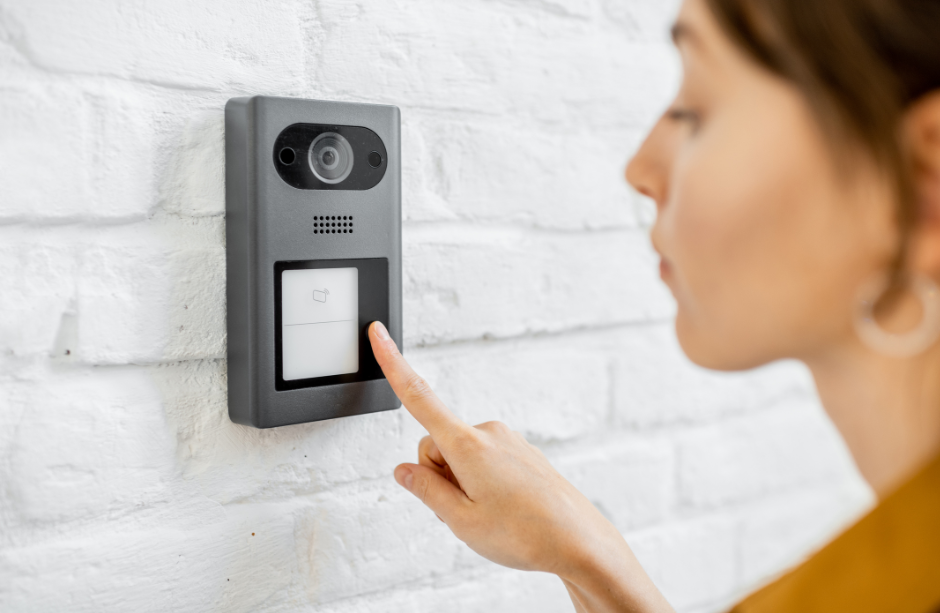
In the 2026 rental market, the “clunky ring of master keys” is quickly becoming a relic of the past. As property portfolios grow and the “on-demand” economy increases the frequency of vendor visits (from grocery delivery to emergency HVAC repair), traditional key management has become a significant bottleneck.
Effective access control is no longer just about locking a door; it’s about managing a complex web of digital and physical permissions. Whether you are managing a single-family home or a 200-unit complex, your key management strategy should focus on three pillars: modern hardware, clear policies, and auditable access.
1. Keyless Entry vs. Traditional Locks: The 2026 Verdict
The debate between physical metal keys and digital credentials has largely shifted in favor of “smart” systems for professional operators. However, the right choice often depends on your property class and budget.
-
Traditional Mechanical Locks:
-
Pros: Low upfront cost, zero reliance on Wi-Fi or batteries, and universal familiarity.
-
Cons: High long-term cost due to rekeying ($50–$150 per turnover). Lost keys create a total security breach for the unit, and there is zero “audit trail” of who entered and when.
-
-
Smart & Keyless Systems (Mobile/PIN/Fob):
-
Pros: Instant credential revocation (no more rekeying), remote management, and “digital footprints” for every entry. In 2026, systems using the Matter protocol ensure cross-platform compatibility.
-
Cons: Higher initial investment and a slight learning curve for less tech-savvy tenants.
-
-
The Hybrid Approach: Many 2026 “Value-Add” investors are choosing locks that support both physical keys and PIN codes. This provides a manual override for emergencies while allowing for 99% keyless daily operation.
2. Policies for Lost or Copied Keys
A lost key isn’t just an inconvenience; it’s a liability. Your lease agreement should explicitly define the financial and procedural consequences of lost or unauthorized keys.
-
The “Do Not Duplicate” Standard: For traditional keys, use high-security restricted keyways. These keys cannot be copied at a standard hardware store kiosk, ensuring you maintain a strict count of how many “live” keys exist for a unit.
-
Reasonable Replacement Fees: Under 2026 consumer protection guidelines, fees for lost keys must be “reasonable” and reflect actual costs. A common standard is charging the direct cost of the locksmith plus a modest administrative fee (e.g., $25).
-
Unauthorized Lock Changes: Most standard leases prohibit tenants from changing locks without permission. However, 2026 laws in many states allow tenants to change locks for safety reasons (like domestic violence) provided they immediately give the landlord a copy. Always check your local 2026 statutes.
3. Tracking Vendor Access to Occupied Units
One of the greatest risks to a landlord is an unsupervised vendor in an occupied unit. Managing this “third-party access” is where modern technology provides the most value.
-
One-Time Access Codes: With smart locks, you can issue a “temporary PIN” to a plumber that only works between 2:00 PM and 4:00 PM on a specific Tuesday. This eliminates the need to hand out a physical master key.
-
The Digital Audit Log: Modern access control platforms (like Kisi or Brivo) provide a real-time dashboard showing exactly when a vendor entered and exited. This log is invaluable if a tenant claims something is missing or damaged.
-
The “Notice of Entry” Bridge: Even with digital access, the Right to Notice (usually 24–48 hours) still applies. In 2026, integrated property management systems (PMS) can automatically send a text to the tenant the moment a vendor code is generated, providing transparency and peace of mind.
Access Control Comparison Matrix
| Feature | Traditional Key | Smart Keypad | Mobile/Cloud Access |
| Upfront Cost | $ | $$ | $$$ |
| Turnover Cost | High (Rekey) | Zero (Reset) | Zero (Digital) |
| Vendor Access | Manual Hand-off | Temporary PIN | Remote Unlock |
| Audit Trail | None | Time-stamped Log | Real-time Alerts |
Conclusion: Security as an Amenity
In 2026, tenants view “keyless living” as a luxury amenity, while landlords view it as an operational necessity. By moving toward a centralized access control system, you significantly reduce the “human error” of lost keys and the “hidden costs” of locksmith visits.
The goal is a “frictionless” property where the right people have access at the right time—and every entry is accounted for. This not only protects your physical asset but builds a high level of trust with your tenants, who can rest easy knowing their home is secured by more than just a piece of shaped brass.
property management
rental property
landlord tips
tenant tips
apartment living
rental maintenance
real estate advice
rental housing
Emily Shortall
Emily Goodman Shortall