

Sustainability and Energy Efficiency Requirements Are Rising: What Landlords and Tenants Need to Know
 Sustainability and Energy Efficiency Requirements Are Rising: What Landlords and Tenants Need to Know
Sustainability and energy efficiency are no longer “nice-to-have” features in housing and commercial real estate. They are rapidly becoming baseline expectations — driven by rising energy costs, government regulations, tenant demand, and long-term investment risk.
Across residential and commercial property markets, landlords are facing new energy performance standards, disclosure requirements, and upgrade mandates. At the same time, tenants are increasingly prioritizing buildings that are efficient, healthy, and affordable to operate.
Whether you own one rental unit or manage an entire portfolio, understanding these changes is critical. This article explains why sustainability requirements are increasing, what rules landlords are facing, how tenants are affected, and how both sides can prepare.
Why Sustainability and Energy Efficiency Are Becoming Mandatory
Several powerful forces are pushing energy efficiency from a trend into a requirement.
1. Rising Energy Costs
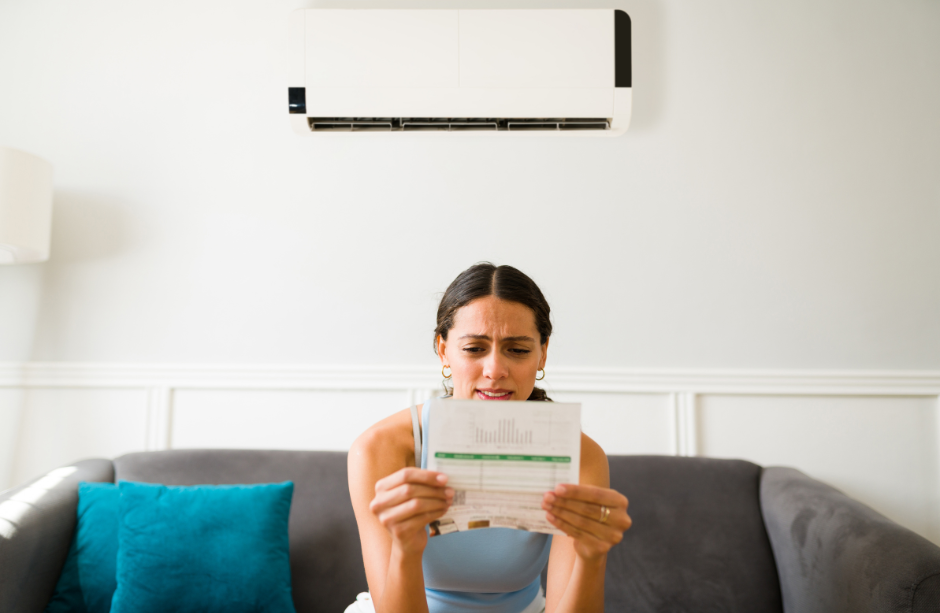
Utility costs have increased significantly in recent years, and volatility is now the norm rather than the exception. Inefficient buildings expose both landlords and tenants to:
-
Higher operating expenses
-
Budget uncertainty
-
Increased vacancy risk
Energy efficiency is increasingly seen as a cost-control strategy, not just an environmental one.
2. Government Climate and Housing Policies
Buildings are responsible for a large share of carbon emissions. As governments work toward climate targets, rental housing and commercial buildings are under direct scrutiny.
Common policy goals include:
-
Reducing energy consumption per square foot
-
Cutting greenhouse gas emissions
-
Improving indoor air quality and occupant health
This has translated into mandatory performance standards, not just incentives.
3. Tenant Expectations Are Changing
Today’s tenants — residential and commercial — are more informed and cost-conscious.
Tenants increasingly ask:
-
How much will utilities cost?
-
Is the building insulated and well-ventilated?
-
Are heating and cooling systems efficient?
-
Will energy costs rise unpredictably?
Sustainable properties often lease faster and retain tenants longer.
4. Property Value and Financing Pressure
Investors and lenders are factoring energy performance into:
-
Property valuations
-
Insurance underwriting
-
Loan terms
Inefficient buildings are beginning to face “stranded asset” risk, meaning they may lose value if they fail to meet future standards.
What Sustainability and Energy Efficiency Requirements Look Like in Practice
Energy regulations vary widely by location, but several common themes are emerging across jurisdictions.
1. Minimum Energy Performance Standards
Many cities and countries now require rental properties to meet minimum energy efficiency thresholds.
These standards often apply to:
-
Insulation levels
-
Windows and doors
-
Heating and cooling systems
-
Building envelopes
Properties that fail to meet the minimum standard may:
-
Be barred from renting
-
Require upgrades before lease renewal
-
Face fines or penalties
2. Energy Performance Certificates and Disclosure
Landlords are increasingly required to:
-
Obtain energy ratings or certificates
-
Disclose energy performance to tenants
-
Update ratings after renovations
In some markets, advertising a rental without an energy rating is illegal.
This transparency pressures owners to improve efficiency or risk reduced demand.
3. Benchmarking and Reporting Requirements
Larger residential and commercial buildings may need to:
-
Track annual energy and water usage
-
Report data to local authorities
-
Compare performance against similar buildings
Poor-performing buildings may be flagged for mandatory improvements.
4. Electrification and Fossil Fuel Phase-Outs
Some jurisdictions are discouraging or banning:
-
Gas heating systems
-
Oil boilers
-
New fossil fuel connections
Landlords may be required to transition toward:
-
Electric heat pumps
-
Induction cooking
-
Renewable energy sources
This represents a major shift in building infrastructure planning.
How These Requirements Affect Landlords
For landlords, rising sustainability requirements bring both challenges and opportunities.
The Challenges
Upfront Upgrade Costs
Energy retrofits can be expensive, including:
-
Insulation upgrades
-
Window replacements
-
HVAC modernization
-
Electrical panel upgrades
Small landlords may feel this burden most acutely.
Regulatory Complexity
Energy rules are often:
-
Technical
-
Frequently updated
-
Different at local, regional, and national levels
Keeping up without professional help can be overwhelming.
Timing and Cash Flow Pressure
Deadlines for compliance may not align with:
-
Lease expirations
-
Planned renovations
-
Available capital
Poor planning can force rushed, costly upgrades.
The Opportunities
Despite the challenges, energy efficiency offers long-term benefits.
Lower Operating Costs
Efficient buildings:
-
Use less energy
-
Require fewer emergency repairs
-
Have more predictable expenses
These savings accumulate over time.
Stronger Tenant Demand
Energy-efficient properties often:
-
Lease faster
-
Command higher-quality tenants
-
Experience lower turnover
Tenants are willing to pay for comfort and predictability.
Future-Proofing Assets
Upgrading now reduces the risk of:
-
Future non-compliance
-
Forced upgrades under tighter rules
-
Declining property values
Energy efficiency is increasingly part of asset preservation.
Access to Incentives and Financing
Many jurisdictions offer:
-
Grants
-
Rebates
-
Tax incentives
-
Green financing programs
Early adopters often have more options and better terms.
How Sustainability Requirements Affect Tenants
Tenants are not just passive observers in this transition — they are directly impacted.
Benefits for Tenants
Lower Utility Bills
Efficient insulation, heating, and appliances can significantly reduce monthly costs.
Improved Comfort and Health
Energy-efficient buildings tend to have:
-
Better temperature control
-
Fewer drafts
-
Improved air quality
-
Less mold and moisture
These factors affect daily quality of life.
Greater Transparency
Energy disclosures allow tenants to:
-
Compare true living costs
-
Avoid inefficient, expensive units
-
Make informed decisions before signing a lease
Potential Tenant Concerns
Rent Increases
Some landlords may pass upgrade costs onto tenants through higher rents.
Renovation Disruption
Energy upgrades can involve:
-
Temporary relocations
-
Noise and access issues
-
Construction timelines
Clear communication is critical.
Common Sustainability Upgrades in Rental Properties
Landlords are prioritizing improvements that offer the best balance of cost and impact.
High-Impact, Lower-Cost Upgrades
-
LED lighting
-
Smart thermostats
-
Weather sealing and air sealing
-
Low-flow water fixtures
These often deliver quick payback.
Medium-Scale Improvements
-
Attic and wall insulation
-
Double- or triple-pane windows
-
High-efficiency water heaters
These improve comfort and compliance.
Major System Upgrades
-
Heat pumps
-
Solar panels
-
Building-wide energy management systems
These require planning but offer long-term resilience.
Best Practices for Landlords Preparing for Energy Requirements
Landlords who plan ahead are best positioned to succeed.
1. Conduct an Energy Audit
An energy audit identifies:
-
Major inefficiencies
-
Cost-effective improvements
-
Compliance gaps
It provides a roadmap rather than guesswork.
2. Align Upgrades with Turnover
Schedule improvements:
-
Between tenants
-
During planned renovations
-
Alongside major repairs
This reduces disruption and cost.
3. Track Incentives and Deadlines
Energy programs change frequently. Missing deadlines can mean losing funding.
4. Communicate with Tenants
Explain:
-
Why upgrades are happening
-
How tenants will benefit
-
What disruptions to expect
Transparency builds trust.
What Tenants Can Do
Tenants can also be proactive.
-
Ask about energy ratings before leasing
-
Request documentation of recent upgrades
-
Track utility usage to identify inefficiencies
-
Report issues like drafts or moisture early
Energy efficiency works best as a shared goal.
The Future of Sustainable Property Management
Sustainability requirements will continue to expand, not retreat.
Expect:
-
Stricter performance thresholds
-
Greater enforcement
-
More public data on building performance
-
Increased integration of technology and automation
Properties that fail to adapt risk becoming obsolete, while efficient buildings will define the future rental market.
Final Thoughts
Sustainability and energy efficiency are no longer optional trends — they are reshaping the economics, regulation, and expectations of rental housing and commercial property.
For landlords, the key is planning, education, and proactive investment. For tenants, energy efficiency offers lower costs, healthier homes, and greater transparency.
Handled thoughtfully, rising energy requirements can benefit everyone involved — strengthening housing quality while reducing long-term risk in an increasingly energy-conscious world.
#propertymanagement #rentalproperty #landlordtips #tenanttips #apartmentliving #rentalmaintenance #realestateadvice #rentalhousing #EmilyShortall #EmilyGoodmanShortall