

The Future of Energy: A Complete Guide to the Transition to All-Electric Buildings in 2026
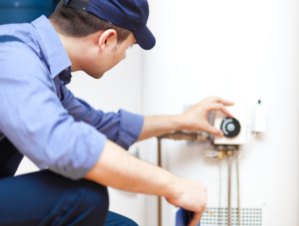
As of 2026, the global push toward decarbonization has moved from the realm of “future goals” to immediate, actionable policy. Across the United States and Europe, the “electrification” of buildings—the process of replacing fossil-fuel-burning appliances with high-efficiency electric alternatives—is no longer just a trend for the eco-conscious. It is now a central pillar of real estate strategy, urban planning, and household budgeting.
Whether you are a homeowner looking to slash utility bills or a commercial property manager navigating new compliance standards, understanding the transition to all-electric buildings is essential. In this guide, we explore the “why,” the “how,” and the financial incentives driving this massive shift.
Why Electrification Matters Now
Buildings are responsible for roughly 30% to 40% of global greenhouse gas emissions, largely due to the on-site combustion of methane (natural gas) and oil for heating, hot water, and cooking. To meet 2030 and 2050 climate targets, cities like New York, Seattle, and Denver have enacted “All-Electric Building Acts” that mandate electric heat and appliances in new constructions starting in 2026.
But it’s not just about the environment. The transition is being fueled by three pragmatic drivers:
-
Economic Volatility: Natural gas prices remain susceptible to geopolitical shocks, whereas renewable electricity (solar and wind) continues to drop in levelized cost.
-
Health and Safety: Growing research highlights the indoor air quality risks of gas stoves, which emit nitrogen dioxide ($NO_2$) and carbon monoxide ($CO$) at levels often exceeding outdoor safety standards.
-
Regulatory Compliance: New building codes (such as the 2024 IECC) are making gas-based systems harder to permit and more expensive to maintain.
The Core Technologies: Heat Pumps and Induction
The backbone of the all-electric transition relies on two primary technologies that have seen massive efficiency gains in recent years.
1. Heat Pumps: The Efficiency Powerhouse
Unlike traditional furnaces that generate heat by burning fuel, heat pumps move heat from one place to another. In the winter, they extract ambient heat from the outside air (even in sub-zero temperatures) and move it indoors. In the summer, the process reverses, acting as a high-efficiency air conditioner.
-
Efficiency: Modern air-source heat pumps can be 300% to 500% efficient. This means for every 1 unit of electricity used, they provide 3 to 5 units of heat. For comparison, even the best “high-efficiency” gas furnaces max out at 95% to 98% efficiency.
-
Cost Savings: While the upfront cost can be higher, many users see monthly utility bill reductions of 20% to 50%, especially when replacing electric resistance heating or propane.
2. Induction Cooking: Professional Precision
For many, the hardest part of going all-electric is giving up the gas flame. However, induction cooking has become the preferred choice for professional chefs and home cooks alike.
Induction uses electromagnetism to heat the cookware directly, rather than heating a burner.
-
Speed: Induction can boil a pot of water in half the time of a gas range.
-
Safety: The cooktop itself stays cool to the touch, significantly reducing burn risks and kitchen fires.
-
Efficiency: Approximately 90% of the energy goes directly into the food, compared to only 40% for gas, where most heat escapes into the air.
Financial Incentives: Navigating the 2026 Landscape
The “green premium” (the extra cost of choosing electric) is being aggressively offset by government and utility programs. In 2026, the landscape has shifted from broad federal credits to more targeted state and commercial incentives.
Commercial and Developer Incentives
While some residential federal credits from the 2022 Inflation Reduction Act (IRA) have begun to sunset or transition, commercial incentives remain robust:
-
Section 179D Deduction: Commercial building owners can claim a tax deduction of up to $5.00 per square foot for significant energy-efficient improvements in HVAC, lighting, and the building envelope.
-
Section 48E Clean Electricity ITC: This provides a 30% investment tax credit for commercial solar, battery storage, and geothermal projects, provided construction begins by mid-2026.
State and Utility Rebates
Many states have filled the gap with “point-of-sale” rebates. Programs like the NYS Clean Heat Program or various California SGIP incentives can provide thousands of dollars in instant discounts for heat pump water heaters and HVAC systems, often covering 50% or more of the installation cost.
| Appliance | Average Cost (Installed) | Potential Rebates/Credits | Est. Annual Savings |
| Heat Pump HVAC | $12,000 – $22,000 | $2,000 – $6,000 | $300 – $1,000 |
| Heat Pump Water Heater | $3,000 – $5,000 | $1,000 – $2,500 | $200 – $500 |
| Induction Range | $1,200 – $3,500 | $500 – $840 | Minimal (Health focus) |
Long-Term Maintenance and Property Value
One often overlooked benefit of the all-electric transition is the simplification of building systems.
-
Eliminating Gas Infrastructure: For new developments, not running gas lines into a building can save tens of thousands of dollars in infrastructure and piping costs.
-
Fewer Moving Parts: Electric systems generally require less frequent maintenance than combustion-based systems, which involve pilot lights, gas valves, and venting requirements.
-
Asset Future-Proofing: Properties with high “Energy Star” ratings or “Zero Energy Ready” certifications are seeing a 4% to 7% premium in resale value as buyers look for homes that won’t require expensive retrofits in a decade.
Conclusion: The Path Forward
Transitioning to an all-electric building is no longer a “someday” project—it is a strategic move for the present. By leveraging 2026 incentives and the massive efficiency of modern heat pumps and induction technology, property owners can lower their operating costs, improve occupant health, and meet the increasingly strict regulatory demands of a low-carbon world.
property management
rental property
landlord tips
tenant tips
apartment living
rental maintenance
real estate advice
rental housing
Emily Shortall
Emily Goodman Shortall