

The Landlord’s Guide to 2026 Water Usage and Utility Cost Management
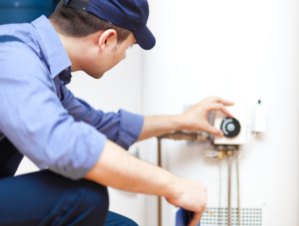
As we navigate the rental market in 2026, property owners are facing a dual challenge: rising utility rates and increasing environmental scrutiny. Water costs, in particular, have climbed significantly due to aging municipal infrastructure and shifting climate patterns. For property managers and landlords, inefficient water usage is no longer just a minor leak in the budget—it’s a threat to net operating income (NOI).
Fortunately, the integration of smart technology and modernized hardware offers a clear path to reducing consumption. By focusing on high-performance fixtures, early leak detection, and transparent billing through submetering, you can protect your investment while providing a more sustainable living environment for your tenants.
1. High-Performance, Low-Flow Fixtures
The most immediate way to curb water waste is to upgrade the hardware within the units. In years past, “low-flow” was often synonymous with poor water pressure, leading to tenant complaints. However, 2026 engineering has mastered the balance of conservation and performance.
-
Showerheads: Standard older models can use up to 2.5 gallons per minute (gpm). Modern high-efficiency versions use 1.75 gpm or less, often utilizing air-induction technology to maintain a powerful spray feel while using significantly less water.
-
Aerators: Perhaps the highest ROI upgrade available, a simple faucet aerator costs a few dollars but can reduce sink water flow by up to 30%.
-
Dual-Flush Toilets: Toilets are frequently the largest source of indoor water consumption. Replacing aging units with EPA WaterSense labeled models (using 1.28 gallons per flush or less) can save a multi-unit building tens of thousands of gallons annually.
2. Early Detection of Hidden Leaks
A single running toilet or a pinhole leak in a supply line can waste hundreds of gallons of water per day. Because these leaks are often silent or hidden behind walls, they can go unnoticed for months until a massive utility bill or structural damage occurs.
-
Smart Leak Detectors: These compact, Wi-Fi-enabled sensors are essential for 2026 property management. Placing them near water heaters, under sinks, and behind toilets allows for instant smartphone alerts the moment moisture is detected.
-
Acoustic Monitoring: For larger portfolios, professional acoustic monitoring can “hear” the vibration of water escaping a pipe long before a damp spot appears on a ceiling.
-
The Dye Test SOP: During every unit turn, implement a “Dye Test.” Place a drop of food coloring in the toilet tank; if color appears in the bowl after 15 minutes without flushing, you have a faulty flapper that needs a $10 fix to save hundreds in potential waste.
3. Submetering in Multi-Unit Buildings
In buildings with a single “master” meter, tenants often lack the incentive to conserve because their individual usage is buried in the total building cost. Submetering—installing individual meters for each unit—fundamentally changes the consumption dynamic by shifting responsibility to the end-user.
The Benefits of Submetering Include:
-
Fairness and Transparency: Tenants pay exactly for what they use. This eliminates the friction of “Ratio Utility Billing Systems” (RUBS) where a single tenant might feel they are subsidizing a neighbor’s high usage.
-
Behavioral Conservation: Data consistently shows that when tenants are billed directly for their water, building-wide consumption drops by 15% to 30%.
-
Increased Asset Value: By removing utility volatility from the owner’s expenses, the property becomes much more attractive to investors and lenders who prioritize stable, predictable NOI.
Implementation Strategy
| Strategy | Upfront Cost | ROI Speed | Effort Level |
| Aerators/Low-Flow | Low | Very Fast | Simple DIY |
| Leak Sensors | Moderate | Fast | Moderate |
| Submetering | High | Moderate | Requires Professional |
Conclusion: A Proactive Approach to 2026 Utilities
Managing water usage is no longer an optional “green” add-on; it is a core component of modern property operations. By investing in efficient fixtures and smart monitoring, landlords can prevent the catastrophic costs of water damage and the slow drain of inefficiency.
Ultimately, these upgrades create a “win-win” scenario: tenants enjoy lower monthly costs and more reliable plumbing, while landlords benefit from lower overhead and a more resilient, tech-forward property. In a market where every dollar of operating expense counts, water management is one of the smartest investments you can make this year.
property management
rental property
landlord tips
tenant tips
apartment living
rental maintenance
real estate advice
rental housing
Emily Shortall
Emily Goodman Shortall